Brave Graphic Design Ideas: Streetwear Aesthetics for Custom Merch
Finding the right graphic elements for a clothing line or merchandise brand often feels like a compromise between originality and usability. You might find a design that looks stunning on screen but falls apart in print, or a vector file that is technically sound but visually generic. When you are trying to build a brand identity that resonates with a younger, style-conscious demographic, the visual language needs to speak their dialect. It needs to be bold, textured, and culturally aware. This is where the challenge lies for many entrepreneurs and designers: sourcing assets that are both artistically distinct and technically prepared for production.
The Anatomy of an Urban Streetwear Collection
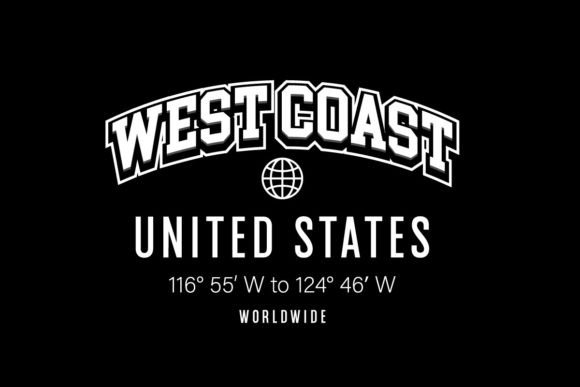
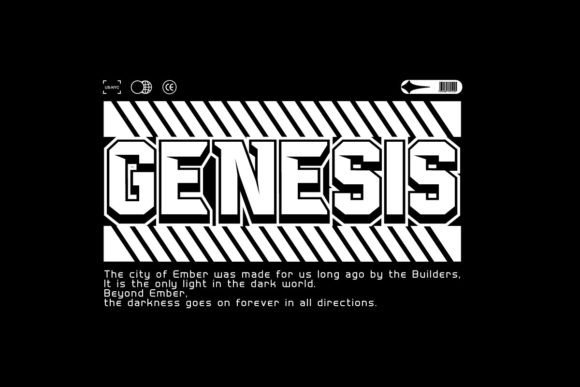
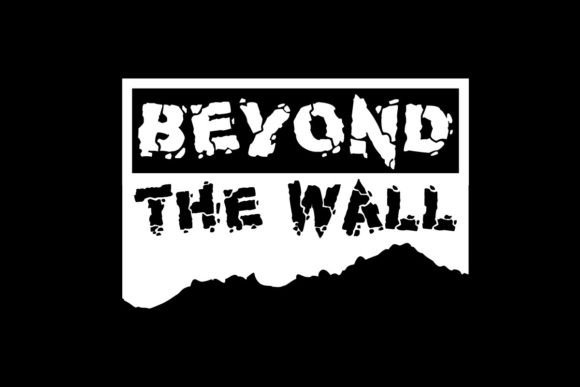
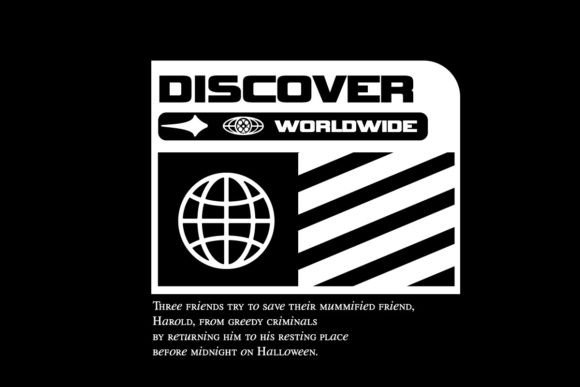
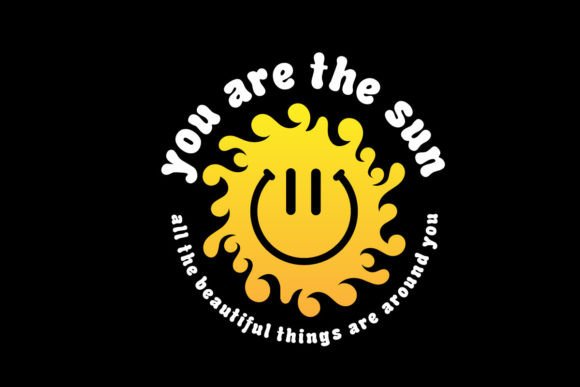
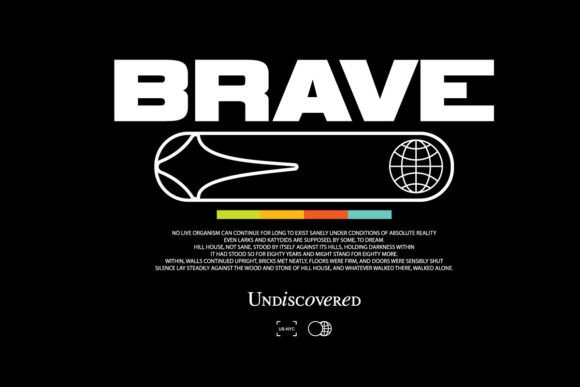
The collection labeled Brave Graphic Design Ideas is built specifically to address this friction point. It is not a random assortment of clip art; it is a curated set of urban streetwear designs intended for custom printed clothing and merchandise. The visual personality of these assets leans heavily into the aesthetics of contemporary street fashion. We are talking about gritty textures, bold compositions, and a raw energy that mimics the feel of spray paint or distressed screen printing. This style is essential for brands that want to project authenticity rather than corporate sterility.
From a technical standpoint, the value lies in the delivery format. The files are provided as 100% vector sources in EPS formats. For a designer, this distinction is critical. Unlike raster images (like JPEGs or static PNGs), vector files are mathematically defined. This means you can scale a design from the chest of a t-shirt to the side of a building without a single pixel of quality loss. If you are working in software like Adobe Illustrator, CorelDRAW, or Affinity Designer, you have total control. You can ungroup elements, swap out typography, or adjust the color palette to match a specific brand guideline. The included high-resolution PNGs with transparent backgrounds are equally useful for rapid prototyping, social media mockups, or printing on DTG (Direct to Garment) machines where vector manipulation isn't required.
Strategic Applications for Brands and Creators
Understanding the file format is one thing; knowing how to apply it strategically is another. These streetwear t-shirt designs serve as a foundational layer for a broader brand identity. If you are launching a clothing label, consistency is your currency. You cannot simply slap a graphic on a shirt and call it a brand. You need that visual language to extend to your hang tags, your website header, your Instagram stories, and your packaging.
Consider a small business owner looking to create a capsule collection. Using a "Brave Graphic Design Ideas" asset allows them to start with a professional baseline. Because the files are vectors, they can easily adapt the core graphic to create variations. One design can become the main back print for a hoodie, while a simplified element of that same design can be isolated and embroidered onto a beanie. This approach saves time and ensures visual cohesion across different merchandise types, which is vital for brand recognition.
For content creators and bloggers in the fashion niche, these assets offer a way to create unique visuals without commissioning expensive custom illustration work every time you need a thumbnail or a social media graphic. The "urban" aesthetic is highly engaging on platforms like Instagram and TikTok, where visual noise is high. A bold, high-contrast graphic stops the scroll far more effectively than a generic stock photo.
Production Realities: From Vector to Fabric
One of the most common pitfalls in custom merchandise is the disconnect between design software and production machinery. A design might look perfect on a high-definition monitor but fail spectacularly during the sublimation or screen separation process. The Brave Graphic Design Ideas collection is formatted to mitigate these risks. The files are "print-ready" in the sense that they are clean vectors, but they also come with the PNGs necessary for sublimation printing, which relies on raster data.
When you download the ZIP file and extract the contents, you are presented with assets that are ready for immediate workflow integration. If you are using a print-on-demand service, the transparent PNG is your best friend—it requires no background removal. If you are working directly with a screen printer, they will likely request the EPS files to create color separations. Having both formats available eliminates the back-and-forth emails that usually delay production timelines.
Furthermore, the "Brave" aesthetic is particularly well-suited for modern printing techniques. The designs often feature elements that look incredible with distressed effects or vintage washes. Because they are vectors, you can easily manipulate the opacity or overlay textures to achieve a specific vintage vibe that is trending heavily in current streetwear fashion. This flexibility is what separates a generic merch store from a curated fashion brand.
Evaluating Fit and Customization
Not every graphic fits every project. A design that works for a skate brand might not work for a luxury streetwear label. When evaluating these assets, look beyond the surface. Ask yourself: does the visual weight of the design match the garment? A heavy, dark graphic might overpower a lightweight summer tee but look perfect on a heavyweight cotton hoodie.
Customization is where you add your unique value. The files included in this collection are designed to be edited. You can transform, scale, and recolor. I recommend taking the time to adjust the color palette to match your brand's hex codes. If your brand uses a specific shade of neon green, apply it. If the design feels too busy, remove secondary elements. The goal is not to use the file exactly as it arrives, but to use it as a toolkit to construct something that feels entirely yours.
Ultimately, Brave Graphic Design Ideas provides a bridge between professional-grade design assets and the practical needs of the modern creator. It offers the technical robustness required for commercial printing and the stylistic edge needed to compete in the crowded streetwear market. By leveraging these vector resources, you are not just buying a picture for a shirt; you are acquiring a scalable asset for your business ecosystem.